DEEPLINES™ / DEEPLINES WIND™

DEEPLINES™

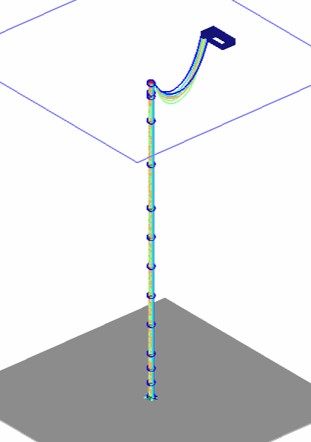
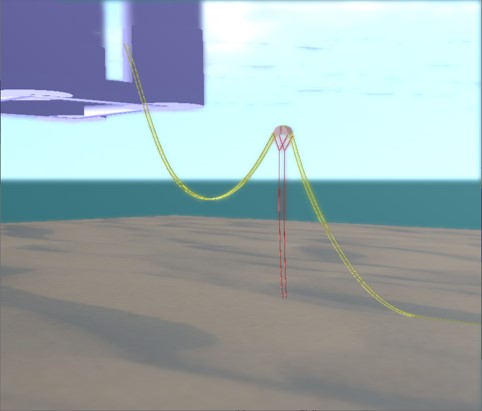
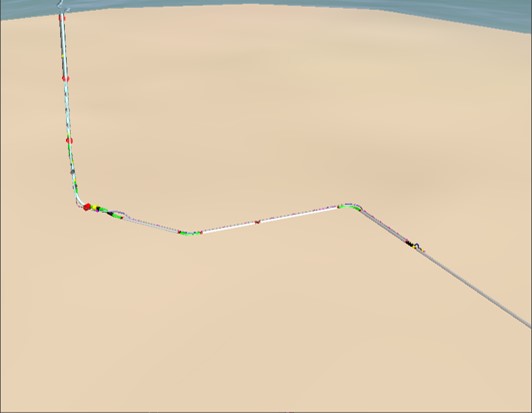
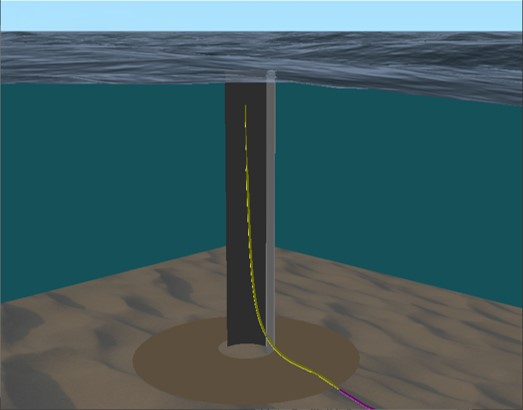
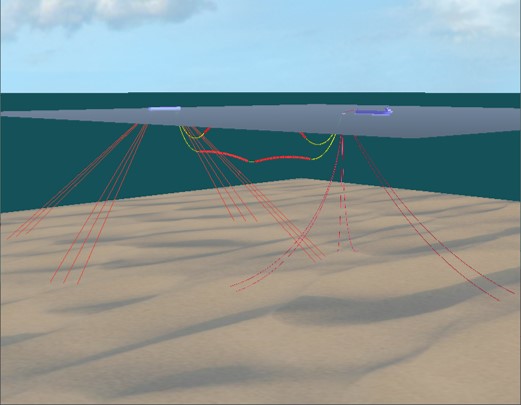
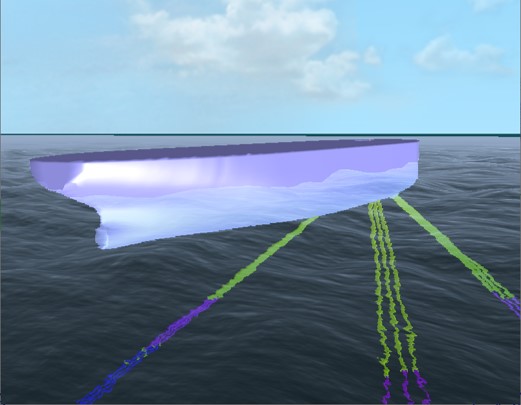
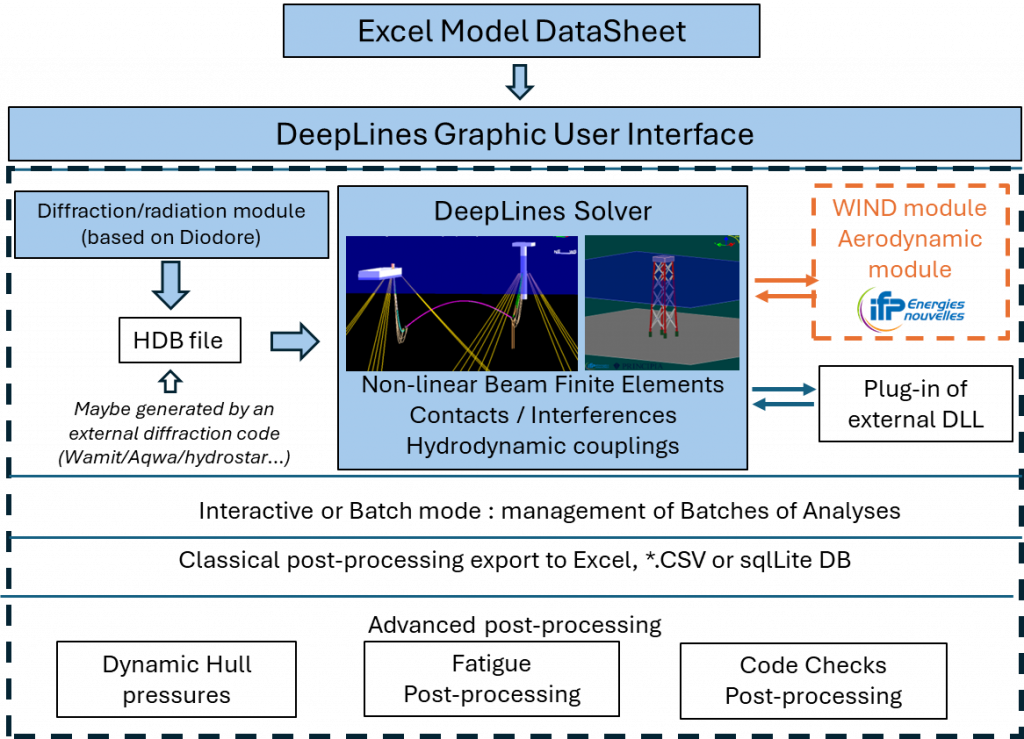
A simulation software specifically designed to analyze the dynamic behavior of offshore systems. It addresses a variety of issues, including:

  • Mechanical aspects: beam finite elements with linear or non-linear material behavior laws.
  • Contact issues: seabed contact, pipe-in-pipes or lines clashes.
  • Hydrodynamic considerations: waves/current hydrodynamic loads for both thin (Morions) and large bodies (diffraction/radiation module based on Diodore)
  • Vortex-Induced Vibrations : modal or time domain approach
  • Aerodynamic factors for wind loads on large hulls.
  • Various post-processing options for fatigue and structural code checks
  • Userfriendliness through a Graphic Interface (GUI) and an Excel model datasheet

DeepLines Wind™

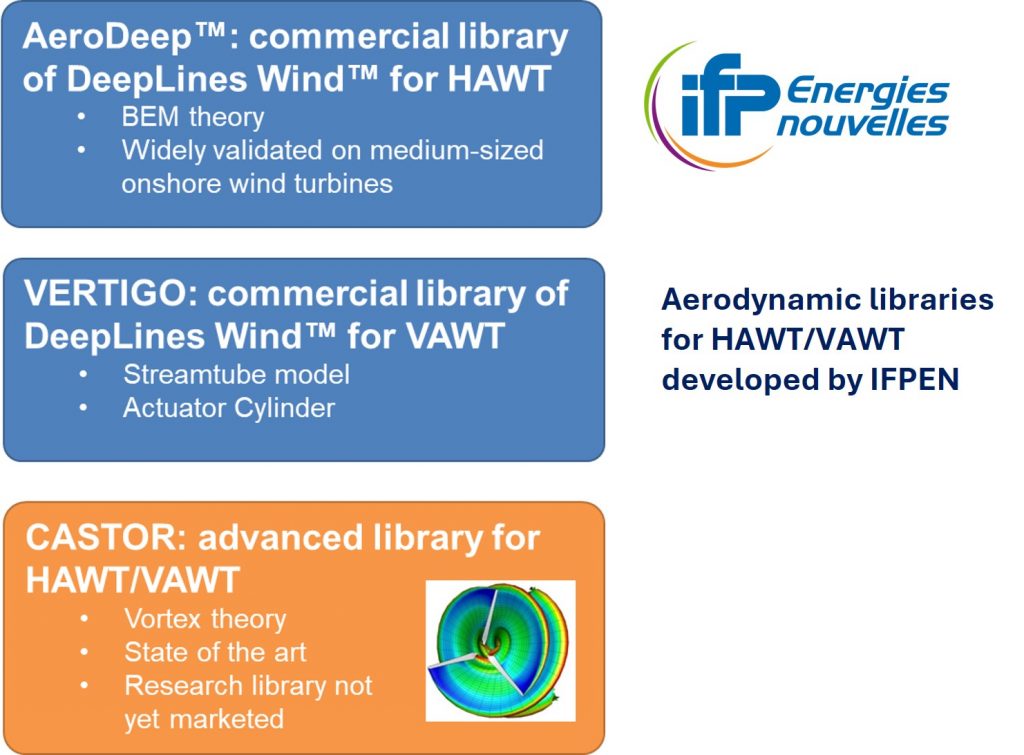
A “Wind Module” has been jointly developed with IFP EN since 2010 to account for the combined effects of aerodynamic loads on the blades, and active blade pitch control.
deeplines wind

MAIN FEATURES

Flexible & Steel Risers

  • Riser configuration setup
  • ULS and ALS extreme analysis
  • Fatigue damage along steel pipes
    Interference analysis
  • VIV, VIM and VIR analyses
  • Derivation of interface loads
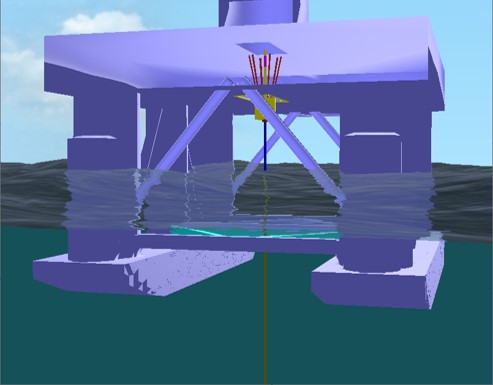
  • Advanced modelling of drilling risers with conductor pipe and casing

Pipelines

  • S-lay, J-lay and Rentis lay simulations
  • Pipe sub-surface and surface tow
  • Free-span identification and VIV analysis
  • Thermal expansion, lateral buckling & pipe-walking
  • Dynamic on-bottom stability
  • Design of rigid base jumpers

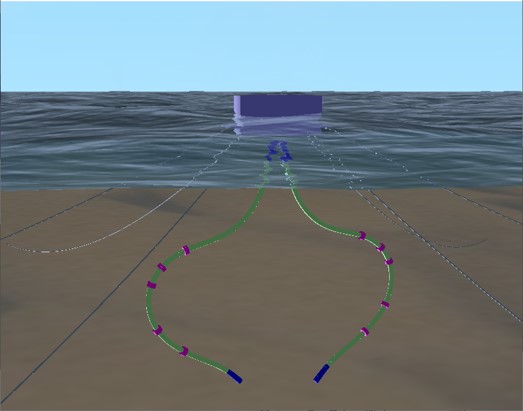
Mooring Systems

  • Fully coupled dynamic analysis
  • Quasi-dynamic analysis
  • ULS and ALS extreme analyses
  • T-T fatigue damage analysis
  • Out-of-plane bending (OPB) fatigue

Towed systems

  • Pipeline and hybrid riser tower tow
  • Seismic arrays
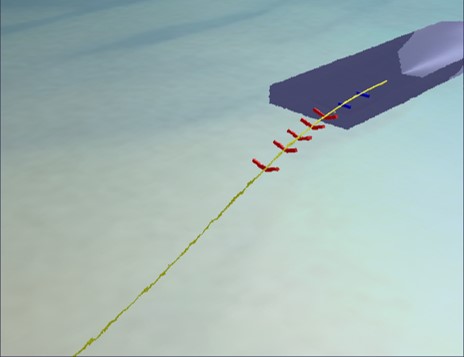
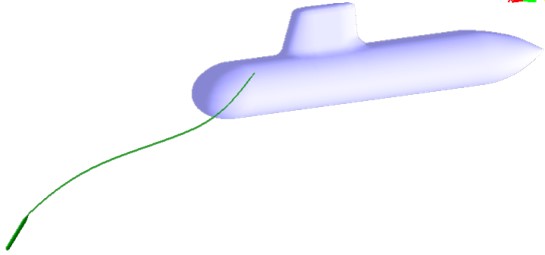
  • Towed submarine defense antenna systems

Renewable Energy

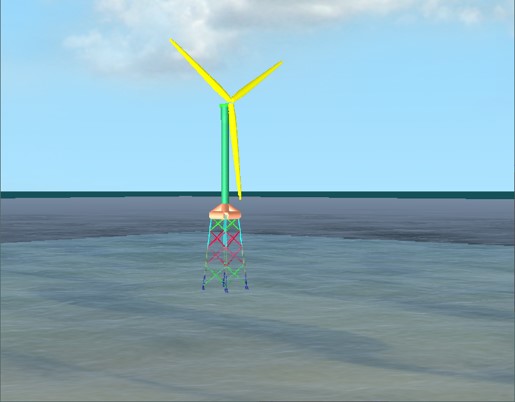
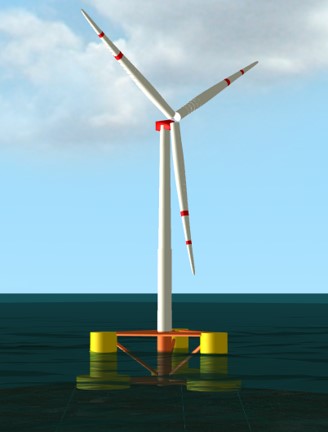
  • Floating and fixed offshore wind turbines
  • Array and export cables configurations
  • Offshore met masts
  • Global analysis of OTEC and SWAC systems
  • Wave energy converters

Marine operations

  • Light and heavy lifts
  • Riser and pipeline installation
  • Deployment of subsea equipment
  • Offshore crane operations
  • Jacket launch and upending
  • LNG marine loading arms
  • Float-over deck installation

Dynamic analysis engine

Modelling capabilities 

The dynamic analysis engine offers a broad range of options to model the combined effects of the aerodynamic loads on the blades, active blade pitch control, hydrodynamic loads on the floating platform and dynamic mooring loads.

Aerodynamic loads

  • Aero-elastic model accounting for deflected shape of the blades
  • BEM + dynamic stall and losses for horizontal axis WT
  • Single/Multiple Stream Tube model, actuator cylinder or 2D&3D Vortex solvers for vertical axis WT
  • Includes tower shadow effect
  • 3D Vortex Aerodynamic solver (test)
Aerodynamic_loads

Hydrodynamic loads

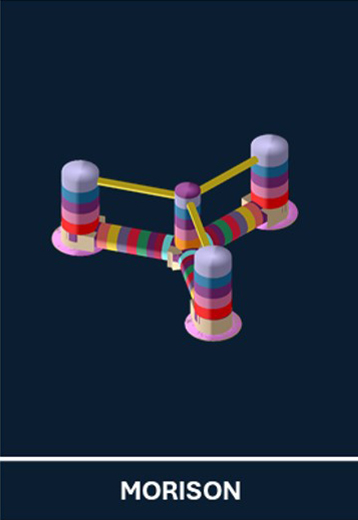
  • Drag and inertia Morison elements
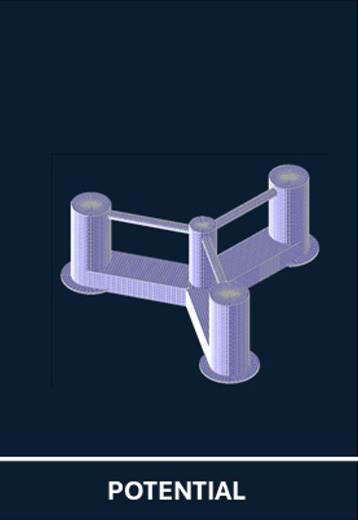
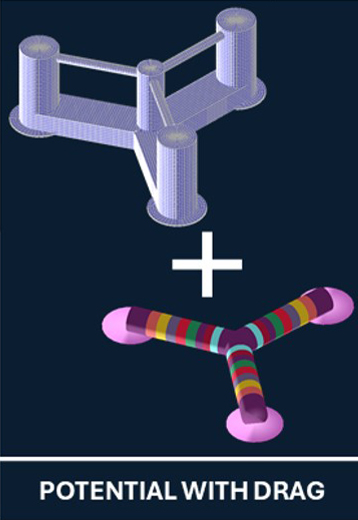
  • Diffraction/radiation loads using 1st and 2nd order wave loads (full-QTF available)
  • Non-linear hydrostatics and Froude-Krylov loading
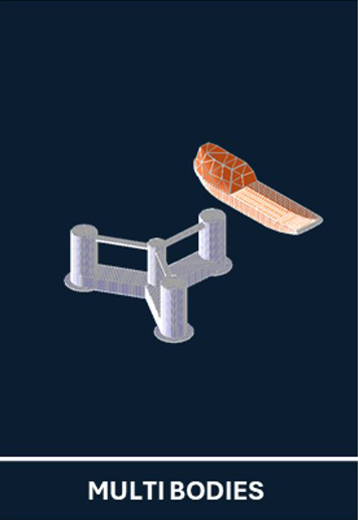
  • Multi-body hydrodynamic coupling
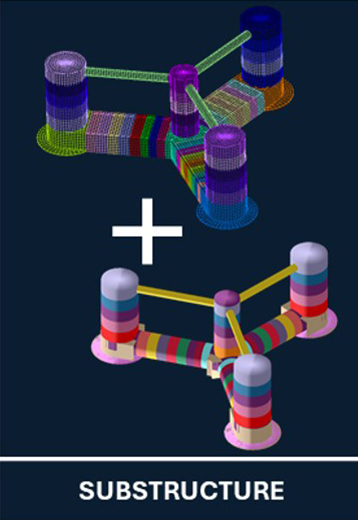
  • Substructure modeling approach

Foundation structural elasticity

  • Large deformations
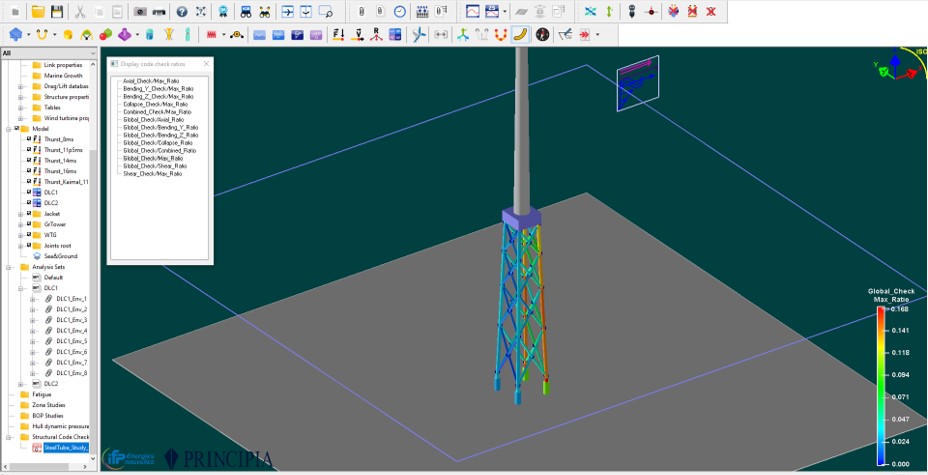
  • Structural Code Checks (tubular sections / stiffened plates)
  • Multi-axis fatigue assessment
  • Connections flexibility
  • Substructure modeling approach
Foundation_structural_elasticity

Mooring lines dynamics

  • Mooring stiffness matrix
  • Quasi-static modelling based on load-excursion curves
  • Fully dynamic based on detailed FE modelling
  • Synthetic mooring lines suppliers’ mechanical laws

Active control

  • Control algorithms available through external Dynamic Link Libraries (DLL)
  • Individual pitch of blades
  • Power extraction (generator)
  • Nacelle orientation (yaw)
  • Rotor shaft (brake)
  • Versatile outputs/inputs of the controller
  • FE or Modal numerical approaches